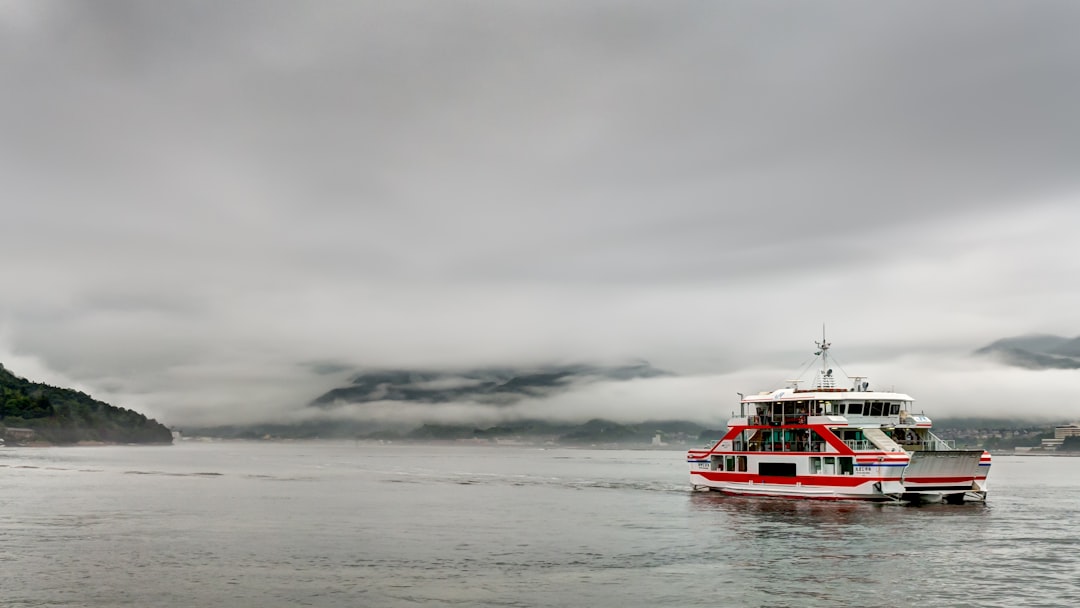
The Izu Peninsula extends southward from Mount Fuji into the Pacific Ocean, creating a rugged coastline remarkably close to Tokyo yet worlds apart in atmosphere. While some beaches near major towns attract weekend crowds, much of the peninsula's coastline remains surprisingly undeveloped, harboring secret beaches, dramatic cliffs, and fishing villages where traditional lifestyles persist. Combined with abundant natural hot springs, often located directly by the sea, the Izu Peninsula offers coastal escapes that rival destinations much farther from Japan's capital.
West Coast: Dramatic Cliffs and Hidden Coves
The Izu Peninsula's western coastline faces Suruga Bay and Mount Fuji beyond, creating spectacular views when weather permits clear visibility. This coast features more dramatic topography than the eastern shore, with steep cliffs dropping directly to the sea and small coves accessible only via winding paths or by boat.
Dogashima, a collection of sea-battered rock formations and small islands, represents the western coast's most distinctive geological feature. Tour boats navigate through sea caves and around towering rock pillars, but the area's most interesting features lie beyond typical tour routes. Several small beaches nestle between the rock formations, accessible during low tide or via paths that require careful navigation down steep slopes.
The Tensodo Cave at Dogashima penetrates completely through a small promontory, creating a natural tunnel where boats can pass. Sunlight filtering through the cave opening at certain times creates the "blue cave" effect, with light reflecting off the water and illuminating the cave ceiling in brilliant turquoise. This phenomenon lasts only briefly around midday when sun angle aligns perfectly with the cave opening, making timing crucial for experiencing this natural light show.
Beyond Dogashima, the western coast road winds through small fishing villages where time seems frozen. Tago, Nishina, and smaller hamlets cling to narrow coastal flats between mountains and sea. Each village maintains its own small harbor where fishing boats moor, and the daily rhythms revolve around tide times and weather conditions affecting fishing. Visitors willing to wake early can observe boats returning with catch, followed by the sorting and packing process before fish depart for markets.
Osezaki: Diving Paradise and Coastal Trails
The Osezaki area on the western coast has earned reputation among Japanese divers for exceptional underwater visibility and diverse marine life. Rocky reefs extend offshore, creating complex underwater topography that supports abundant fish populations. Non-divers can enjoy the same clear waters while snorkeling, with reefs accessible from shore in several locations.
Coastal hiking trails around Osezaki offer spectacular clifftop views and access to small beaches impossible to reach by car. The trails range from easy walks to more challenging routes requiring sure footing on narrow paths. Spring brings wildflowers blooming along the cliffs, adding color to already dramatic coastal scenery.
Southern Tip: Where Two Seas Meet
The Izu Peninsula's southernmost point creates a distinctive microclimate and oceanographic conditions where Pacific Ocean currents meet Suruga Bay's calmer waters. This convergence creates nutrient-rich conditions supporting diverse marine life and generates unique wave patterns that attract experienced surfers while creating challenging conditions for swimming.
Irozaki Cape, the peninsula's southern tip, features a distinctive white lighthouse commanding panoramic views. The surrounding coastline alternates between rocky shores and small pebble beaches. The area's exposure to open ocean swells means swimming requires caution, but the dramatic seascapes and relatively few visitors create memorable coastal experiences.
Yumigahama Beach, on the cape's eastern side, stretches for over a kilometer of white sand in a gentle arc. Despite its beauty and accessibility, the beach sees far fewer visitors than more famous beaches farther north. The combination of clear water, fine sand, and dramatic backdrop of forested mountains creates an almost Caribbean-like atmosphere unusual for Japan's mainland coast.
The southern Izu region maintains traditional industries including wakame seaweed cultivation and abalone harvesting. Local restaurants serve incredibly fresh seafood, often featuring species rarely available elsewhere. The regional specialty, kinmedai (splendid alfonsino), appears on most menus, typically grilled or simmered in sweet soy-based sauce that complements the fish's delicate flavor and firm texture.
Eastern Coast: Surf Beaches and Coastal Onsen
The Izu Peninsula's eastern coastline facing the Pacific Ocean offers different character than the western shore. Beaches here tend toward longer stretches of sand, and the exposure to Pacific swells creates better surfing conditions. This coast also boasts the highest concentration of coastal hot springs, where ocean views accompany bathing in naturally heated waters.
Shirahama Beach near Shimoda ranks among Izu's most famous beaches, with white sand and clear water that attract significant summer crowds. However, even Shirahama's immediate vicinity harbors lesser-known alternatives. Tatadohama Beach, just north of Shirahama, receives a fraction of the visitors despite comparable beauty. The beach sits below steep forested slopes, accessible via stairs that discourage casual visitors, ensuring it never feels crowded even during peak season.
Shimoda itself, while developed as a resort town, maintains historical significance as the site where Commodore Perry forced Japan's opening to Western trade. Several temples and historical sites commemorate this pivotal moment, and the town's mixed Japanese-Western architectural heritage reflects its unique history. Beyond the historical attractions, Shimoda serves as an excellent base for exploring southern Izu's beaches and hot springs.
Coastal Hot Springs: Where Ocean Meets Onsen
The eastern Izu coast features numerous outdoor hot springs directly beside the sea, creating unique bathing experiences where hot mineral water and ocean waves coexist. These rotenburo (outdoor baths) offer perspectives on coastal scenery impossible from regular beaches, as bathers relax in hot water while watching waves crash against nearby rocks.
Several locations allow access to free or low-cost seaside hot springs. Local etiquette requires bathing suits at mixed-gender public baths, unlike traditional indoor onsen where nudity is standard. The informal atmosphere and spectacular settings more than compensate for any departure from conventional hot spring protocols.
Akazawa Onsen features multiple seaside pools at different temperatures, allowing bathers to adjust comfort levels. The facility's clifftop location provides expansive ocean views, and on clear days, the Izu Islands appear on the horizon. Sunrise bathing offers particularly memorable experiences, with the sun rising directly from the ocean while mist rises from the hot water in the cool morning air.
Central Highlands: Mountain Villages and Hidden Waterfalls
While technically not coastal, the Izu Peninsula's mountainous interior deserves mention for completing the peninsula experience. Several historic villages nestle in mountain valleys, and numerous waterfalls cascade down steep ravines carved by rivers flowing toward both coasts. Combining coastal and mountain exploration provides diverse experiences within a compact area.
The Joren Falls near Izu City plunge 25 meters into a pool surrounded by forested cliffs. Walking paths approach the falls from multiple angles, and the cool spray provides relief during humid summer weather. Several other waterfalls in the area offer quieter alternatives for visitors seeking solitude away from more popular destinations.
Traditional mountain villages like Shuzenji maintain atmospheric temple complexes and ryokan inns dating back centuries. The contrast between these quiet mountain towns and bustling coastal areas demonstrates the peninsula's remarkable diversity within its relatively small geographic area.
Practical Information for Peninsula Exploration
Reaching the Izu Peninsula from Tokyo involves multiple transportation options. The fastest route uses the JR Odoriko limited express train directly to Shimoda, taking approximately two and a half hours. More economical options include regular JR trains with transfers, or highway buses departing from several Tokyo locations. The journey time varies from two to four hours depending on route and transportation mode chosen.
Renting a car provides maximum flexibility for exploring the peninsula's scattered beaches and small villages. Roads are generally well-maintained, though mountain routes feature numerous curves and limited passing opportunities. Coastal roads, particularly on the western shore, wind dramatically along cliffsides with spectacular views but require confident driving and comfortable passengers.
The peninsula's compact size makes it feasible to stay in one location and explore via day trips, though moving between bases on the western and eastern coasts allows deeper immersion into different areas' distinct characters. Accommodation ranges from modern resort hotels to traditional ryokan inns emphasizing local seafood and hot spring bathing.
Seasonal Considerations
Summer, particularly July and August, brings the warmest water temperatures and most reliable beach weather, but also maximum crowds at popular beaches and significant accommodation price increases. Japanese beaches typically "open" in early July, with lifeguards and facilities operating through August, then largely closing by mid-September despite often pleasant weather continuing into autumn.
Spring cherry blossoms arrive earlier in Izu than most of Japan due to the peninsula's southern latitude and coastal climate. The Kawazu Sakura variety blooms in late February and early March, drawing significant visitors to Kawazu town on the eastern coast. This early bloom timing allows combining cherry blossom viewing with other activities during a season when most of Japan remains winter-bound.
Autumn provides excellent conditions with warm water temperatures persisting into October and significantly fewer crowds after schools resume in September. The stable autumn weather creates ideal conditions for hiking coastal trails and exploring mountain areas where summer heat and humidity can be oppressive.
Winter brings cold water and air temperatures that limit beach activities, though surfing continues year-round at dedicated surf beaches. Winter's advantage lies in hot spring bathing, which becomes far more appealing in cool weather. The contrast between cold ocean air and hot mineral water creates invigorating experiences, and winter's clearer atmospheric conditions often reveal Mount Fuji views impossible during hazier summer months.
Hidden Beaches and Secret Spots
Beyond the beaches mentioned above, the Izu Peninsula harbors dozens of small coves and pocket beaches known primarily to local residents. These spots typically lack facilities, signage, or even formal names, but offer ultimate privacy and often exceptional natural beauty. Finding these locations requires either local knowledge or willingness to explore coastal roads looking for paths leading toward water.
Small fishing harbors often have adjacent beaches where locals swim but tourists rarely venture. These beaches may feature coarse sand or pebbles rather than the fine sand of resort beaches, but the absence of crowds and authentic coastal atmosphere more than compensate. Always observe whether locals are swimming before entering water in unfamiliar locations, as some areas have strong currents or other hazards not immediately obvious.
Rocky coastlines with tide pools offer fascinating exploration during low tide periods. Small crabs, sea stars, anemones, and various mollusks inhabit these pools, and careful observation reveals the remarkable diversity of intertidal life. Children particularly enjoy tide pool exploration, which provides educational entertainment requiring no special equipment beyond appropriate footwear and sun protection.
Local Food Culture and Seafood
The Izu Peninsula's fishing traditions ensure outstanding seafood availability throughout the region. Morning markets in fishing villages sell directly-caught fish, and many restaurants source from boats that morning. The difference in taste between fish hours from the ocean and supermarket seafood purchased days after catching becomes immediately apparent.
Regional specialties include spiny lobster, abalone, and various seasonal fish species. The kinmedai mentioned earlier reaches premium quality in Izu waters, and the peninsula's version of this fish commands high prices in Tokyo markets. Local preparations emphasize simplicity that showcases ingredient quality—grilling, light simmering, or serving as sashimi allow the seafood's natural flavors to dominate.
Wasabi cultivation in the peninsula's mountain streams produces some of Japan's finest fresh wasabi. The difference between freshly grated real wasabi and the powder or paste typically served as "wasabi" approaches the difference between fresh ground coffee and instant—the aromatic complexity and subtle heat of fresh wasabi enhances rather than overwhelming delicate fish flavors.
Environmental Conservation and Responsible Tourism
Despite its proximity to Tokyo and resulting development pressure, much of the Izu Peninsula maintains natural character worth preserving. Visitors can contribute to conservation by following basic environmental ethics: pack out all trash, avoid disturbing wildlife, stay on designated trails, and support local businesses that prioritize sustainability.
Beach cleanups occur regularly at popular beaches, and participation opportunities often welcome visitors. Even casually picking up visible trash while enjoying beaches contributes meaningfully to maintaining these environments. Plastic debris, unfortunately, appears on even remote beaches due to ocean currents, making ongoing cleanup efforts necessary.
When visiting tide pools or snorkeling, observe without touching. Many marine organisms are fragile, and touching can damage protective coatings or cause stress. Shells should remain on beaches where they provide habitat for hermit crabs and contribute to sand formation as they break down over time.
Conclusion
The Izu Peninsula's proximity to Tokyo creates accessibility without overcrowding, offering coastal experiences ranging from dramatic geology to peaceful fishing villages, from world-class diving to soaking in seaside hot springs while watching sunset. The peninsula demonstrates that hidden beaches and authentic coastal culture can exist even near major metropolitan areas when geography creates natural barriers to easy access and when local communities maintain traditional values alongside modern tourism.
Whether seeking a weekend escape from Tokyo or a longer exploration of coastal Japan, the Izu Peninsula delivers diversity impossible to exhaust in a single visit. Each season offers different advantages, every coastal direction presents distinct character, and the combination of beaches, hot springs, mountains, and traditional villages creates destination depth unusual for such a compact area. Most importantly, the peninsula retains numerous secret spots where crowds never penetrate and where the eternal rhythms of tides, seasons, and traditional coastal life continue much as they have for generations. These are the places worth seeking—the hidden coves, the fishing village beaches, the clifftop trails—where the Izu Peninsula reveals its true character beyond the resort brochures and where unforgettable coastal memories await those willing to explore.