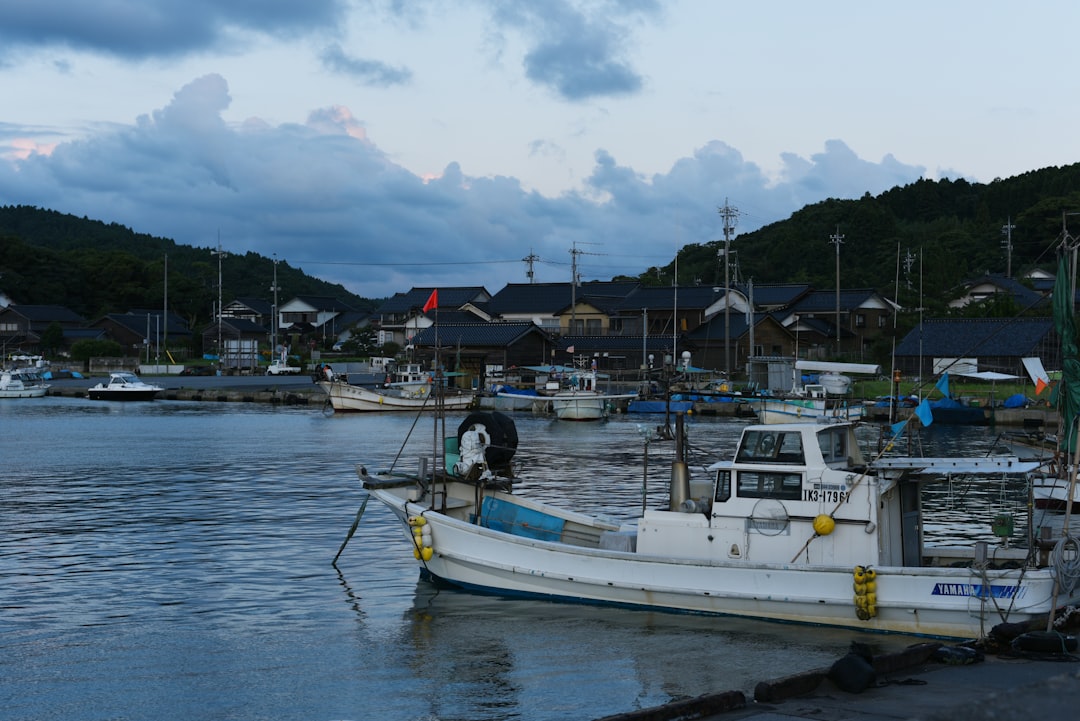
While Naoshima draws international attention for its contemporary art museums and installations, the Seto Inland Sea contains over 3,000 islands, most of which remain blissfully unknown to tourists. These lesser-known islands offer equally compelling experiences combining natural beauty, traditional culture, and in some cases, their own artistic communities. This guide explores islands that reward curious travelers willing to venture beyond the well-trodden art island circuit.
Megijima: The Ogre's Island
Just 20 minutes by ferry from Takamatsu, Megijima remains remarkably untouched despite its proximity to Shikoku's major city. The island's name translates to "Ogre Island," derived from the legend that inspired the famous Momotaro folk tale. According to tradition, ogres once inhabited the caves scattered across the island's mountainous interior.
The Onigashima Caves, accessible via a steep hiking trail, penetrate deep into the island's central mountain. These caverns, both natural and human-enlarged over centuries, feature atmospheric lighting illuminating rock formations and narrow passages. The caves maintain a cool temperature year-round, providing relief during humid summer months. Local legends claim these caves housed pirates during medieval times, and indeed, the strategic views from cave openings overlook shipping lanes that remain busy today.
Megijima's beaches contrast sharply with the dramatic caves. The island's northern shore features several small sandy beaches with calm, shallow waters perfect for swimming. These beaches see almost no crowds, even during August when mainland beaches overflow with visitors. The water clarity here is exceptional for the Seto Inland Sea, allowing snorkeling to observe small fish and occasional jellyfish drifting with gentle currents.
The island's single village clusters around the ferry port, with narrow lanes winding between traditional wooden houses. Many structures show their age, with weathered wood and tile roofs, though this adds to the authentic atmosphere. Several small cafes and guesthouses have opened in recent years, run by young people who moved to the island seeking slower-paced lives. These establishments serve simple but delicious meals emphasizing local seafood and vegetables grown in the island's small gardens.
Art Installations and Festivals
While not as famous as Naoshima, Megijima participates in the Setouchi Triennale art festival held every three years. During festival periods, contemporary art installations appear across the island, often incorporating the natural landscape and traditional buildings. Outside festival periods, several permanent installations remain accessible, creating an interesting counterpoint between ancient legends and modern artistic expression.
Ogijima: Terraced Beauty and Feline Residents
Neighboring Megijima, Ogijima presents an entirely different character. This tiny island's village cascades down steep slopes in narrow terraces, with houses stacked so closely that rooftops serve as pathways between different levels. The village's maze-like layout rewards exploration, with unexpected views appearing around every corner and narrow stone staircases connecting different tiers.
Cats populate Ogijima in impressive numbers, earning it comparisons to more famous "cat islands" elsewhere in Japan. However, Ogijima's felines coexist more naturally with residents, lounging on doorsteps and following pathways between houses rather than swarming visitors. The cats add to the island's laid-back atmosphere, and photographing them against the backdrop of traditional houses and sea views has become a popular activity.
The island's lighthouse, accessible via a hiking trail from the village, commands spectacular views across the Seto Inland Sea. On clear days, visibility extends to multiple islands and both Shikoku and Honshu coastlines. The trail passes through areas where stone walls retain terraced plots that once grew crops but now slowly return to wild vegetation, creating an interesting transition between human-shaped landscape and natural recovery.
Ogijima's beaches are limited but charming. A small beach near the ferry port provides easy swimming access, while a longer beach on the island's opposite side requires hiking but offers greater seclusion. The latter beach features smooth pebbles rather than sand, and the gentle slope creates ideal conditions for wading and enjoying the water without concerns about strong currents.
Shodoshima: Olive Groves and Mediterranean Atmosphere
Shodoshima ranks as the second-largest island in the Seto Inland Sea, yet remains far less developed than its size might suggest. The island's Mediterranean-like climate supports Japan's largest olive cultivation, creating landscapes surprisingly reminiscent of southern Europe. Beyond the olive groves, Shodoshima offers dramatic gorges, secluded beaches, and traditional soy sauce breweries.
The Kanka Gorge cuts through the island's mountainous interior, its hiking trails passing waterfalls and massive boulders deposited by ancient landslides. The gorge's microclimate supports lush vegetation even during dry periods, and the sound of flowing water provides constant accompaniment to hikers. The trails range from easy walks to more challenging climbs, with the most spectacular viewpoints requiring several hours of hiking.
Angel Road, Shodoshima's most photographed feature, emerges twice daily when low tide exposes a sandbar connecting the main island to three tiny islets. Walking this temporary path while surrounded by water creates a unique experience, particularly during sunrise or sunset when light plays across the wet sand. According to local legend, couples who walk Angel Road while holding hands will find eternal happiness together.
The island's beaches vary dramatically. Some face the open Seto Inland Sea with gentle waves, while others nestle in protected coves offering calm, pool-like conditions. Olive Beach, near the main olive park, combines swimming with Mediterranean-style scenery, including palm trees and white buildings that could easily exist in Greece. This conscious cultivation of Mediterranean atmosphere might seem artificial, yet the genuine olive groves and climate make it feel more authentic than expected.
Traditional Industries and Cultural Heritage
Shodoshima maintains traditional soy sauce production in breweries operating for over a century. Visiting these facilities reveals fascinating fermentation processes, with massive wooden barrels containing soy sauce aged for years. The rich, complex aromas filling these buildings create an olfactory experience impossible to replicate elsewhere. Several breweries offer tours and tastings, showcasing the subtle differences between various production methods and aging periods.
Inujima: Industrial Heritage Meets Contemporary Art
Tiny Inujima measures barely one kilometer across, yet packs remarkable diversity into its limited space. The island's copper refinery, abandoned since 1919, has been transformed into an art museum and gallery space that uses natural energy systems for heating and cooling. This adaptive reuse of industrial heritage creates powerful connections between past and present, industrial decline and artistic renewal.
The Inujima Seirensho Art Museum incorporates the refinery's brick chimney and foundations into a contemporary structure designed by architect Hiroshi Sambuichi. The building uses solar power, geothermal energy, and natural ventilation, maintaining comfortable temperatures without conventional air conditioning. This sustainable design philosophy extends the museum's conceptual framework beyond the artworks themselves, making the building equally important to the overall experience.
Beyond the main museum, several "Art House Projects" occupy traditional homes throughout the island's small village. These installations integrate contemporary art into residential structures, creating intimate encounters between visitors and artworks. The projects require wandering village lanes, discovering installations almost by accident, which encourages deeper engagement with the island's physical and social fabric.
Inujima's beaches, though small, offer peaceful swimming and excellent water quality. The island's rocky coastline features several small coves where sand accumulates, creating pocket beaches ideal for solitary relaxation. The combination of industrial ruins, contemporary art, and natural beauty creates a unique atmosphere found nowhere else in the Seto Inland Sea.
Teshima: Art and Agriculture in Harmony
Teshima occupies a middle ground between heavily touristed art islands and completely undiscovered destinations. While the Teshima Art Museum attracts significant visitors during Setouchi Triennale periods, the island retains agricultural character and peaceful atmosphere. Rice paddies carpet much of the island's interior, and traditional farming continues alongside artistic installations.
The Teshima Art Museum, designed by Ryue Nishizawa with artwork by Rei Naito, ranks among the Seto Inland Sea's most remarkable contemporary structures. The building's organic form resembles a water droplet fallen to earth, with a concrete shell creating a column-free interior space open to sky and surrounding rice terraces. Inside, water springs mysteriously from the floor, forming rivulets and pools that respond to temperature, humidity, and visitor presence. The contemplative experience this creates justifies the museum's international reputation.
Beyond the famous museum, Teshima hosts numerous other art installations scattered across the island. Some occupy abandoned houses, others stand in agricultural fields, and a few integrate into the landscape so subtly they're easily missed. This distribution encourages island exploration, and rental bicycles provide the ideal pace for discovering both planned installations and unexpected scenery.
Teshima's coastline alternates between rocky shores and small beaches. The western coast features several accessible beaches with fine sand and gradually deepening water safe for children. Swimming here offers views across to neighboring islands and passing ferries, creating a sense of being embedded within the broader island geography rather than isolated on a single shore.
Local Food Culture
Teshima's restaurants and cafes emphasize ingredients from the island and surrounding waters. Fresh seafood appears in most menus, along with vegetables from local farms and rice grown in the island's terraces. Several establishments offer outdoor seating with sea views, where lunch becomes part of the overall island experience rather than merely fuel for continued exploration.
Practical Island-Hopping Considerations
Exploring multiple Seto Inland Sea islands requires understanding ferry schedules and planning realistic itineraries. Most islands connect to either Takamatsu on Shikoku or Okayama on Honshu, with some smaller islands accessible only from other islands. Ferry frequencies vary dramatically, with popular routes running hourly but smaller islands served only a few times daily.
The Setouchi Triennale, held every three years, dramatically increases visitor numbers to participating islands. While this creates vibrant atmosphere and ensures all installations are accessible, it also means crowds and fully booked accommodation. Visiting outside festival periods offers more peaceful experiences, though some art installations may be closed or require advance arrangements to view.
Accommodation on smaller islands is extremely limited. Many visitors base themselves in Takamatsu or on Shodoshima, making day trips to smaller islands. However, spending nights on less-developed islands provides deeper immersion into island life and opportunities to experience beaches and trails without day-trippers present. Advance booking is essential, especially during summer and festival periods.
Bicycles can be rented on most inhabited islands and provide the ideal exploration pace. Roads are generally quiet and reasonably well-maintained, though steep hills on some islands challenge less fit cyclists. Electric-assist bicycles are increasingly available and make island exploration accessible to anyone regardless of fitness level.
Environmental Stewardship and Sustainable Tourism
The Seto Inland Sea faces environmental challenges including pollution, overfishing, and marine debris. Responsible visitors can contribute positively by supporting local businesses, respecting natural environments, and participating in beach cleanup activities when opportunities arise. Several islands organize regular cleanup events where volunteers remove plastic and other debris from shorelines.
The art projects on many islands deliberately engage with environmental themes and island sustainability. Understanding these conceptual frameworks enhances appreciation of the artworks while raising awareness about challenges facing island communities. Depopulation and aging demographics threaten many small islands, and tourism provides economic opportunities that can help sustain communities if managed sensitively.
When swimming or snorkeling, avoid touching or disturbing marine life and underwater features. The Seto Inland Sea's relatively calm waters support diverse ecosystems despite environmental pressures, and careful observation reveals fascinating small creatures in tide pools and shallow areas. Taking only photographs ensures these environments remain intact for others and for the marine life depending on these habitats.
Seasonal Variations and Best Visiting Times
Spring, particularly April and May, offers ideal conditions with comfortable temperatures, generally stable weather, and blooming vegetation across the islands. Cherry blossoms appear on some islands, though not as prolifically as mainland locations. The period between rainy season's end in July and summer heat's peak in August provides excellent weather, though expect more visitors during school holidays.
Autumn, especially October and November, rivals spring as the best visiting season. Temperatures remain warm enough for swimming into October, while clearer skies and lower humidity create perfect conditions for hiking and cycling. Autumn colors appear on forested islands, particularly Shodoshima, adding seasonal beauty to already attractive landscapes.
Winter brings cold winds across the Seto Inland Sea, making swimming unappealing and ferry crossings potentially uncomfortable. However, winter offers unique advantages including minimal crowds, clearer long-distance visibility, and opportunities to experience islands in their quietest state. Some art installations close during winter months, but permanent museums and natural attractions remain accessible.
Conclusion
The lesser-known islands of the Seto Inland Sea offer rich experiences combining natural beauty, traditional culture, and contemporary art in ways impossible to find elsewhere in Japan. While Naoshima deserves its fame, venturing beyond to explore Megijima's caves, Ogijima's terraced village, Shodoshima's olive groves, Inujima's industrial heritage, and Teshima's integrated art and agriculture reveals the true diversity of this remarkable island sea. Each island develops its own character, shaped by geography, history, and the choices made by contemporary residents and artists. Together, they create a destination where multiple visits barely scratch the surface, and where the journey between islands via ferry becomes as memorable as the destinations themselves. The Seto Inland Sea's islands prove that mass tourism and authentic experiences need not be mutually exclusive, and that careful development can enhance rather than diminish what makes places special.