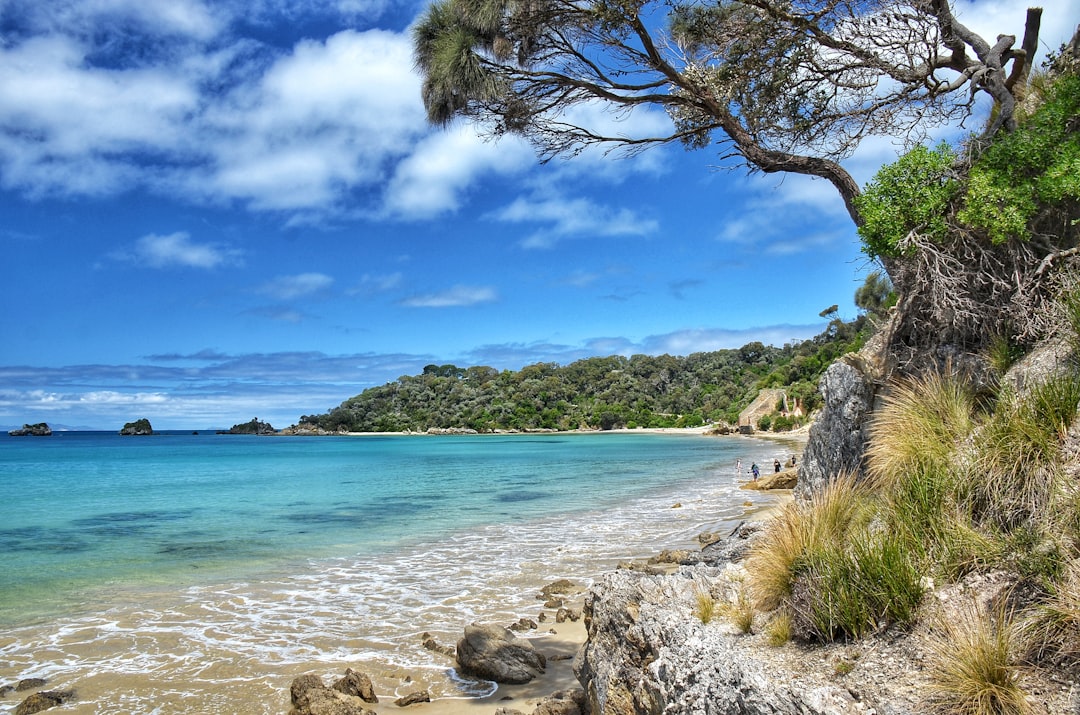
Off the southern coast of Kyushu lies a constellation of remote islands that most travelers never discover. These hidden paradises offer pristine beaches, crystal-clear turquoise waters, and authentic island culture untouched by mass tourism. This guide unveils the secrets of Kyushu's lesser-known island escapes.
Koshiki Islands: Volcanic Beauty and Isolation
The Koshiki Islands archipelago sits off the western coast of Kagoshima Prefecture, consisting of three main islands connected by dramatic cliffs and volcanic rock formations. What makes these islands extraordinary is their geological diversity combined with remarkably few visitors.
Shimokoshiki Island features the stunning Napoleon Rock, a natural formation resembling the famous emperor's profile. The island's coastline is dotted with hidden coves accessible only by boat or challenging hiking trails. Local fishermen still practice traditional methods passed down through generations, and visitors can arrange to join fishing expeditions at dawn.
Kamikoshiki Island offers some of the most secluded beaches in southern Japan. Nagame-no-hama Beach remains virtually empty even during peak summer months. The crystal-clear waters here are ideal for snorkeling, with visibility often exceeding 20 meters. Coral formations closer to shore than anywhere else in mainland Japan attract tropical fish species rarely seen this far north.
Akuseki Island: Japan's Last Frontier
Part of the Tokara Islands chain, Akuseki Island represents one of Japan's most remote inhabited locations. With a population of fewer than 80 residents, this volcanic island offers an experience of Japan's coastal life frozen in time.
Getting to Akuseki requires patience and planning. A ferry from Kagoshima runs only twice per week, and the 12-hour journey crosses some of the roughest seas in Japanese waters. This isolation has preserved the island's traditional culture and prevented commercial development entirely.
The island's single village clings to the mountainside above a small harbor. Stone walls protect homes from typhoon winds that sweep through regularly. Visitors stay in minshuku guesthouses run by island families who share meals of incredibly fresh seafood and locally grown vegetables. The community still practices communal farming and fishing, welcoming respectful travelers as temporary members of their small society.
Hiking trails lead to volcanic hot springs that flow directly into tidal pools, creating natural onsen bathing spots with ocean views. The island's beaches feature black volcanic sand that heats quickly under the sun, creating a unique sensation underfoot. Marine life around Akuseki is remarkably abundant due to the nutrient-rich currents flowing through the Tokara strait.
Kuroshima Island: Sea Turtle Sanctuary
Northeast of Okinawa but administratively part of Kagoshima Prefecture, Kuroshima Island has earned the nickname "Sea Turtle Island" for its role as a major nesting site. This flat, coral island surrounded by emerald waters offers a completely different island experience from its volcanic neighbors.
The island's circumference can be cycled in under two hours, but rushing would mean missing the magic. Cattle outnumber human residents here, grazing freely on hills overlooking pristine beaches. Between May and August, loggerhead and green sea turtles emerge nightly to nest on several beaches around the island.
Local conservation efforts have made Kuroshima a model for sustainable island tourism. Guided nighttime turtle watching tours operate during nesting season, with strict protocols ensuring minimal disturbance to the turtles. Revenue from tourism directly funds conservation programs and supports the island's aging population.
Beaches on Kuroshima's western side feature some of the finest white sand in Japan, with shallow turquoise lagoons extending hundreds of meters from shore. The gentle waters make this an ideal destination for families and less confident swimmers. Snorkeling reveals healthy coral gardens that have largely escaped the bleaching affecting many tropical reefs.
Iojima Island: Volcanic Hot Springs Meet Ocean
Iojima, meaning "sulfur island," lives up to its name with active volcanic vents creating natural hot springs that flow directly into the sea. Located in the Osumi Islands group, this small island offers one of Japan's most unusual beach experiences.
The island's eastern shore features several locations where volcanic hot springs mix with seawater, creating warm bathing areas along the rocky coast. At low tide, natural rock pools retain heated water at perfect bathing temperature. The minerals from the volcanic springs turn the water a milky white-blue color and are believed to have therapeutic properties.
Beyond the hot springs, Iojima surprises visitors with its lush interior forests and hiking trails leading to panoramic viewpoints. The island's small community of around 120 residents maintains several walking paths connecting scenic spots and historical sites dating back to the island's role in ancient trade routes.
Accommodation options are limited to a handful of family-run guesthouses, ensuring the island never feels crowded. Local cuisine emphasizes incredibly fresh seafood combined with vegetables grown in the volcanic soil, which imparts unique flavors impossible to find elsewhere.
Practical Information for Island Exploration
Reaching these remote islands requires careful planning. Ferry schedules are subject to weather conditions, particularly during typhoon season from August through October. Always build flexibility into your itinerary, as ferry cancellations can extend stays unexpectedly.
Most islands have limited ATM access and many businesses operate on cash only. Bring sufficient cash for your entire stay. Mobile phone coverage varies dramatically between islands, with some areas having no signal whatsoever. Download offline maps and essential information before departing.
Accommodation must be booked well in advance, especially during summer months. Many guesthouses have only a few rooms and close during off-season months. English is rarely spoken, so basic Japanese phrases prove invaluable, though island residents are remarkably welcoming and patient with visitors making the effort to communicate.
The best times to visit these islands are May-June and September-October, avoiding both the intense summer heat and the typhoon risk while enjoying pleasant weather and calmer seas. Spring brings wildflowers covering many islands in color, while autumn offers the clearest water visibility for snorkeling.
Respecting Island Communities
These remote islands survive through tight-knit communities where everyone knows each other. Visitors should respect local customs and the slower pace of island life. Many shops and services close during midday hours and may have irregular schedules.
Environmental conservation is critical on these fragile island ecosystems. Take all trash with you when leaving beaches, never remove shells or coral, and follow designated trails to prevent erosion. When snorkeling, avoid touching coral and maintain distance from sea turtles and other marine life.
Supporting local businesses directly benefits island communities struggling with depopulation. Purchase locally caught seafood, island-made crafts, and use island-based tour guides when available. Your visit can contribute positively to the economic sustainability of these precious communities.
Conclusion
The secluded islands off Kyushu's coast offer travelers seeking authenticity an incomparable experience. These destinations require more effort to reach than typical tourist spots, but reward visitors with untouched natural beauty and genuine cultural exchange. Whether soaking in volcanic hot springs overlooking the ocean, watching sea turtles nest under starlight, or simply enjoying perfect isolation on pristine beaches, these island paradises provide memories impossible to replicate anywhere else in Japan.