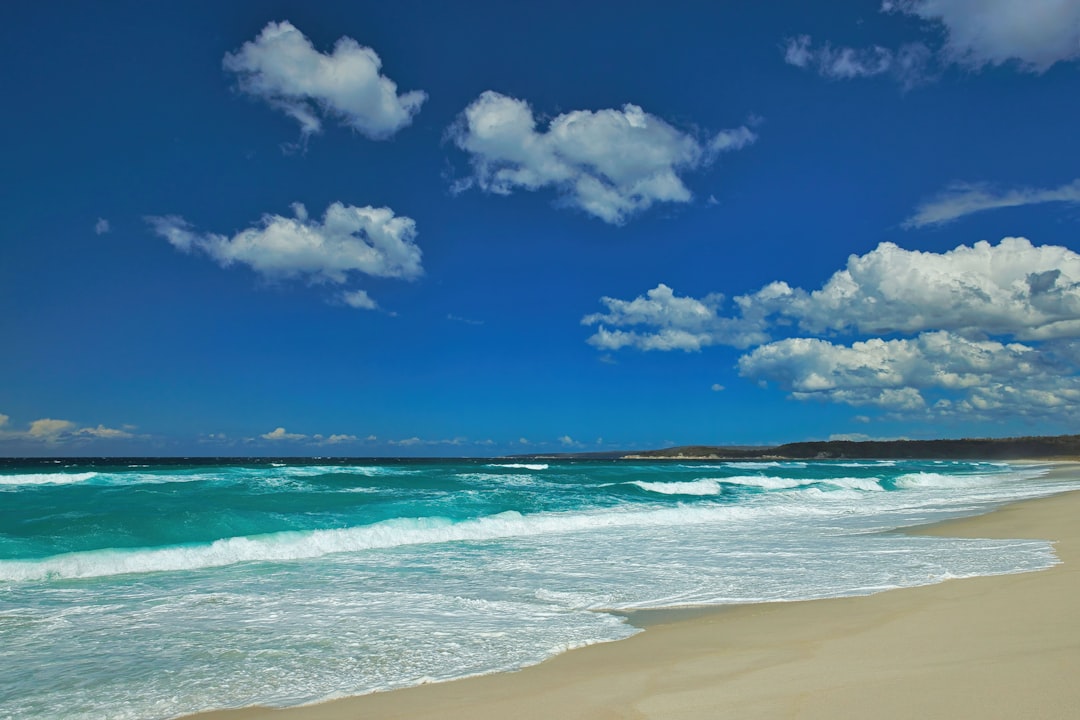
Extending into the Sea of Japan like a crooked finger, the Noto Peninsula remains one of Japan's most underappreciated coastal destinations. While most visitors rush to more famous regions, this rugged peninsula harbors dozens of traditional fishing villages, hidden beaches, and centuries-old coastal culture waiting to be discovered by those willing to venture off the beaten path.
Suzu: The Peninsula's Northern Gem
At the very tip of the Noto Peninsula lies Suzu, a collection of small fishing communities that feel worlds away from modern Japan. This area sees so few foreign tourists that your arrival may be the local event of the month, yet the warmth of residents creates an unforgettable welcome.
Mitsukejima Island, known locally as "Gunkan-jima" or Battleship Island, sits just offshore from Suzu's Tsukumo Bay. This distinctive rock formation features a natural tunnel carved through its center by centuries of wave action. At low tide, you can walk across the rocky beach to reach the island's base, where small shrines tucked into caves reveal the spiritual significance this formation holds for local fishermen.
Suzu's coastline alternates between rugged cliffs and small pocket beaches accessible via narrow roads winding through rice paddies and traditional wooden homes. Kôda Beach stretches for several hundred meters of golden sand largely empty even during August. The beach faces northeast, making it perfect for spectacular sunrises over the Sea of Japan.
The town itself preserves traditional salt-making techniques using the unique "agehama" method, where seawater is scattered over sand beds and the resulting salt-rich sand is then filtered. A few families still practice this labor-intensive process, and visitors can observe or even participate during summer months at the Suzu Salt Fields.
Noto Town: Where Rice Terraces Meet the Sea
The Senmaida Rice Terraces in Noto Town create one of Japan's most photographed landscapes, where over 1,000 tiny rice paddies cascade down hillsides directly to the sea. While the terraces themselves attract some visitors, few explore the beaches and villages tucked along this dramatic coastline.
Below the terraces, several small fishing harbors serve villages with populations barely exceeding a hundred residents. Sosogi fishing port exemplifies traditional Noto coastal architecture, with weathered wooden homes clustered tightly around a small concrete harbor. Fishing boats depart before dawn, returning mid-morning with catches of squid, rockfish, and seasonal specialties.
Local minshuku guesthouses serve whatever seafood arrived that morning, prepared in traditional Noto styles emphasizing freshness over elaborate preparation. Grilled fish, sashimi, and local delicacies like rock oysters appear in multi-course kaiseki dinners that showcase why this region's seafood enjoys such high reputation among Japanese food connoisseurs.
The coastline north of Noto Town features numerous small beaches between rocky headlands. Many lack formal names but offer complete solitude and clear water ideal for swimming. Local residents can direct you to their favorite spots, often sharing detailed tide information and warnings about occasional strong currents near rocky points.
Wajima: Morning Markets and Hidden Coves
Wajima ranks as the Noto Peninsula's largest city, though its population of 25,000 feels more like a large town. Famous for its morning market and traditional Wajima-nuri lacquerware, the city also serves as a gateway to some of the peninsula's most beautiful hidden beaches.
The Wajima Morning Market operates along a covered street in the city center, where local farmers and fishermen sell produce and seafood directly to customers. Arriving early means encountering stalls piled with sea urchin, abalone, and incredibly fresh fish alongside seasonal vegetables and handmade pickles. Vendors often offer samples, and the market atmosphere provides insight into daily life in coastal Noto.
Beyond the city, the coastline grows increasingly dramatic. Sodegahama Beach, about 20 minutes north of Wajima, features distinctive rock formations rising from white sand. The beach takes its name ("Sleeve Beach") from a legend about a celestial maiden who lost her feathered robe here while bathing. The shallow, calm waters make this an excellent swimming spot for families.
Further along the coast, Kankakei Beach sits below steep forested cliffs accessible via a narrow winding road. The beach's relative inaccessibility ensures it never becomes crowded. At the southern end, fascinating rock formations create tide pools teeming with sea life that fascinate children and photographers alike during low tide.
Exploring Wajima's Lacquerware Heritage
While not directly beach-related, Wajima's lacquerware workshops offer fascinating insight into the craftsmanship that sustains traditional culture in coastal communities. Many workshops welcome visitors to observe artisans applying layer after layer of lacquer in a process that can take months for a single piece. The intricate designs often incorporate coastal motifs reflecting the town's relationship with the sea.
Monzen: Terraced Coastlines and Spiritual Heritage
Monzen, now part of Wajima City following municipal mergers, centers around Sôji-ji Soin temple, one of Zen Buddhism's most important training monasteries. However, the coastal areas of Monzen hold equal appeal for beach seekers and those interested in traditional village life.
The Higashiinaba and Nishiinaba areas feature rice terraces extending nearly to the waterline, creating a unique agricultural landscape shaped by the need to farm steep coastal slopes. Small beaches nestle between rocky points, accessible via paths leading down from coastal roads. These beaches see almost no visitors, offering pristine sand and exceptionally clear water.
Local fishing communities in Monzen maintain traditional cooperative structures where families share equipment and coordinate fishing schedules. Visiting during afternoon hours when boats return allows observation of the catch being sorted and prepared for market, with gulls circling overhead and the smell of sea salt mixing with diesel fumes from boat engines.
The area's numerous small shrines dedicated to maritime deities reveal the spiritual dimension of life in these fishing communities. Offerings of sake and fish are regularly placed before shrine altars, and seasonal festivals celebrating safe voyages and abundant catches involve the entire community.
Anamizu and Nanao: Gateway to Island Adventures
The eastern side of the Noto Peninsula features calmer waters of Nanao Bay, creating different coastal conditions than the Sea of Japan side. Anamizu and Nanao serve as jumping-off points for exploring Notojima Island and smaller islands dotting the bay.
Anamizu retains a charming historic district with traditional merchant houses from the Edo period, when the town prospered from shipping timber and marine products. The waterfront area features walking paths along the harbor where fishing boats moor alongside small pleasure craft. Local restaurants specialize in oysters harvested from the bay's clean waters.
Nanao, the peninsula's second-largest city, offers more urban amenities while maintaining its coastal character. The city's fish market complex includes restaurants where chefs prepare incredibly fresh sushi and sashimi from fish purchased moments earlier at auction. Watching the market's morning operations provides entertainment and education about the seafood economy supporting these communities.
From Nanao, a bridge connects to Notojima Island, which despite being accessible by car maintains a relaxed island atmosphere. The island's coastline includes several excellent beaches, particularly along the western shore facing the open sea. Glass-bottomed boats depart from Notojima's harbors for tours of the bay, revealing the underwater environment supporting the region's fishing industry.
Seasonal Considerations and Best Times to Visit
The Noto Peninsula's climate creates distinct seasonal experiences. Summer, particularly July through August, offers warmest water temperatures and most reliable beach weather, but also brings Japan's highest humidity and occasional typhoons. Japanese beach-goers appear in numbers during the Obon holiday week in mid-August, but even then, the peninsula's beaches never approach the crowding seen at more famous destinations.
Spring, especially May and early June, provides excellent conditions with mild temperatures, less rain than the summer rainy season, and virtually no crowds. Wildflowers cover hillsides, and local festivals celebrating the fishing season's beginning occur in many villages. Water temperatures remain cool but manageable for swimming by late May.
Autumn, particularly September and October, rivals spring as the ideal visiting season. Water temperatures remain warm from summer heat, typhoon season winds down, and clear skies create perfect conditions for enjoying coastal scenery. Local autumn festivals featuring seafood and harvest celebrations occur throughout the peninsula.
Winter brings cold winds and rough seas, limiting beach activities but offering a completely different perspective on coastal life. Fishermen brave harsh conditions to catch premium winter fish species, and hot springs scattered across the peninsula provide warm refuge after exploring windswept beaches. Snow occasionally dusts the coastline, creating dramatic contrasts between white beaches and dark winter seas.
Practical Information for Noto Peninsula Exploration
Reaching the Noto Peninsula requires commitment, as no major airports or Shinkansen lines serve the area directly. From Tokyo, the most efficient route involves taking the Hokuriku Shinkansen to Kanazawa, then transferring to limited express trains or buses heading toward the peninsula. The journey takes approximately four to five hours total.
Renting a car in Kanazawa provides the greatest flexibility for exploring the peninsula's scattered beaches and villages. Public transportation exists but operates on limited schedules that make visiting multiple locations in a single day challenging. Coastal roads wind through spectacular scenery, though expect narrow lanes and occasional slow-moving farm vehicles.
Accommodation options emphasize traditional minshuku guesthouses and small ryokan inns rather than large resort hotels. Most serve elaborate multi-course dinners featuring local seafood and require advance booking, especially during summer and autumn peak seasons. English is rarely spoken, making basic Japanese phrases valuable, though hosts invariably display patience and creativity in communication.
Food lovers will find the Noto Peninsula paradise, with every town offering restaurants and inns showcasing local seafood. Regional specialties include ama-ebi (sweet shrimp), oysters, rock fish, and the highly prized Noto beef. Fresh fish quality exceeds what most visitors have experienced, even those familiar with excellent sushi in major cities.
Respecting Local Communities and Environment
The Noto Peninsula's beaches and villages remain authentic partly because they receive relatively few visitors. Maintaining this authenticity requires respectful tourism. Many beaches lack lifeguards or facilities, placing responsibility on visitors to swim safely and pack out all trash.
Fishing communities operate on early schedules, with boats departing before dawn. Avoid blocking harbor areas during morning departure and return times, and ask permission before photographing working fishermen or their catch. Many communities welcome respectful interest but value privacy in their daily work.
Environmental conservation matters critically in these small communities where residents directly depend on clean seas and beaches for their livelihoods. Never remove shells, rocks, or sea glass from beaches. Avoid disturbing tide pools and their inhabitants. Support local businesses by purchasing seafood and crafts directly from producers when possible.
Conclusion
The Noto Peninsula offers travelers seeking authentic Japanese coastal culture an incomparable destination. From traditional salt-making techniques to morning fish markets, from hidden pocket beaches to dramatic clifftop rice terraces, the peninsula rewards those willing to venture beyond Japan's most famous destinations. The slower pace of life, emphasis on seasonal foods and traditional crafts, and genuine warmth of residents create memories impossible to replicate in more tourist-oriented locations. With careful planning and respect for local communities, exploring the Noto Peninsula's hidden beach towns provides insight into coastal Japan that remains largely unchanged despite the modern world's encroachment elsewhere.