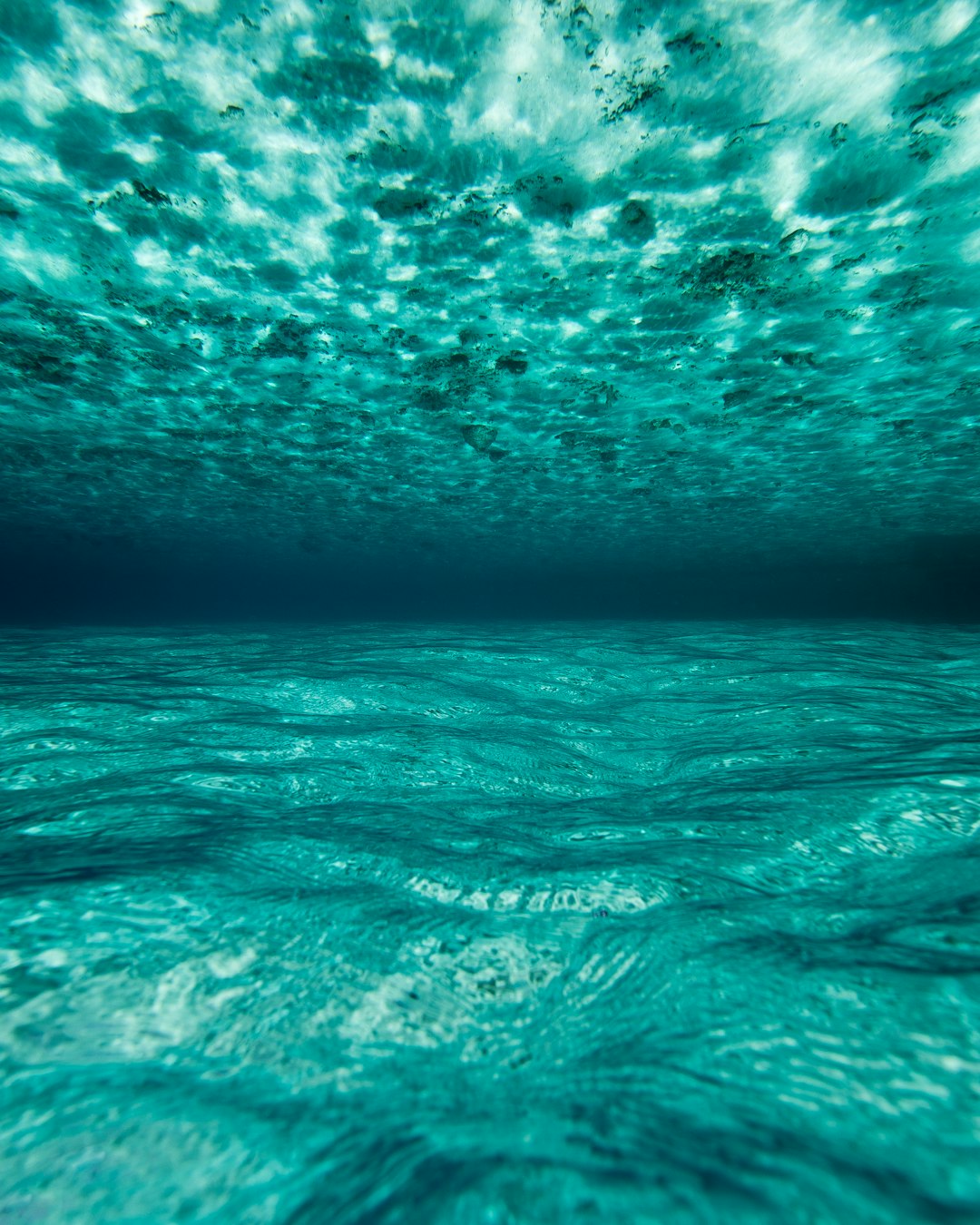
Shikoku, Japan's smallest main island, harbors some of the country's most dramatic and least-explored coastline. While pilgrims traverse the famous 88-temple route inland, the island's rugged shores hide spectacular sea caves, hidden coves, and pristine beaches that remain secrets known primarily to local fishermen. This guide reveals these coastal treasures for adventurous travelers willing to explore beyond conventional routes.
Kashiwa Island and the Cape Muroto Sea Caves
Cape Muroto in Kochi Prefecture juts into the Pacific Ocean, its rocky promontory bearing the full force of ocean swells that have carved extraordinary formations into the coastal cliffs. This area experienced uplift during historic earthquakes, creating multiple levels of former sea caves now elevated above current sea level, providing a geological timeline visible in the cliff faces.
Mikurodo Cave ranks among the most historically significant caves, as the famous monk Kukai reportedly achieved enlightenment while meditating here. The cave opens directly to the ocean, with waves rolling into its mouth during high tide. The name Mikurodo translates to "chamber where the void was perceived," referencing Kukai's spiritual experience. Visitors can enter the cave during low tide, though extreme caution is necessary as waves can surge unexpectedly.
Below Cape Muroto, numerous smaller sea caves pocket the coastline, accessible by kayak or during extreme low tides. Local tour operators in Muroto City offer guided kayak excursions that navigate through cave systems and along towering cliff faces where seabirds nest in crevices. The water clarity around Muroto is exceptional, with visibility often exceeding 15 meters, allowing views of the rocky seafloor and abundant marine life.
Kashiwa Island sits just offshore from Cape Muroto, connected to the mainland by a walking path exposed at low tide. The island features its own collection of small caves and tide pools teeming with sea creatures. Local children traditionally explore these pools during summer, searching for crabs, sea urchins, and small fish. The island's circumference can be walked in 30 minutes, offering constantly changing perspectives of the cape and open ocean.
Sukumo Bay: Gateway to Hidden Coves
The southwestern corner of Shikoku, particularly around Sukumo Bay in Kochi Prefecture, features a deeply indented coastline creating numerous protected coves and small beaches invisible from main roads. This area sees remarkably few tourists despite its natural beauty, partly because it sits far from major transportation routes.
The Okinoshima area comprises over 30 small islands scattered across Sukumo Bay. While a few islands support fishing villages, most remain uninhabited, their coves and beaches completely untouched. Regular ferry services connect Sukumo Port to Okinoshima's main village, from where smaller boats can be hired to explore surrounding islands and hidden beaches.
Kashiwa-jima Island, different from the Kashiwa Island near Muroto, has gained a quiet reputation among Japanese divers for exceptional water clarity and abundant marine life. The island's coastline alternates between rocky shores and small pocket beaches. Several diving shops based on the island offer guided tours for both experienced divers and snorkelers, exploring reefs where tropical fish species thrive in the warm Kuroshio Current flowing past Shikoku's southern coast.
On the mainland side of Sukumo Bay, the Oki no Shima coast features numerous small coves accessible only by boat or challenging coastal hikes. These coves often feature incredibly clear water and white sand beaches averaging only 20-30 meters in length, providing ultimate privacy. Local fishing boat operators in Sukumo sometimes arrange custom tours to these hidden spots if weather and sea conditions permit.
Tatsukushi Coast: A Geological Wonderland
Between Cape Ashizuri and Cape Muroto, the Tatsukushi Coast represents a geological oddity where unusual rock formations and sea caves create a landscape unlike anywhere else in Japan. The rocks here formed from ancient seabed sediments compressed over millions of years, then thrust upward and carved by relentless ocean forces.
The Tatsukushi Marine Park encompasses the most spectacular portion of this coast, where glass-bottomed boat tours navigate among rock formations with evocative names like "Frog Rock" and "Battleship Rock." However, the most dramatic features lie beyond the typical tour routes, accessible only to kayakers or during rare calm seas when local fishermen might be convinced to provide boat access.
Enormous sea caves tunnel completely through several rock formations, creating natural arches large enough for small boats to navigate. The interiors of these caves feature otherworldly acoustics, with wave sounds amplified and echoing off the walls. Sunlight filters through cracks in the cave ceilings, creating dramatic light shafts that illuminate the cave interiors at certain times of day.
Between the major rock formations lie tiny pocket beaches composed of smooth pebbles and coral fragments. These beaches see virtually no visitors despite their beauty, primarily because reaching them requires either kayaking skills or knowledge of local tidal patterns allowing brief access windows during extreme low tides. The beaches face south toward the open Pacific, offering sunset views unobstructed to the horizon.
Snorkeling and Marine Life
The Tatsukushi Coast's underwater environment rivals its above-water scenery. Coral formations more typically associated with tropical waters thrive here thanks to the warm Kuroshio Current. Snorkeling reveals a surprising diversity of fish species, including butterflyfish, angelfish, and even occasional tropical species like parrotfish at the northern edge of their range.
Sea turtles frequent the area, often spotted surfacing to breathe near the rock formations. Patient snorkelers occasionally encounter these gentle creatures feeding on algae growing on submerged rocks. Local regulations strictly prohibit touching or approaching too closely, but turtles sometimes approach snorkelers out of curiosity.
Omijima Island: Secret Beaches and Forgotten Shrines
Off the coast of Ehime Prefecture, Omijima Island remains one of Shikoku's best-kept secrets. The island connects to the mainland via a series of bridges, yet tourism remains minimal. Most visitors cross the bridges without stopping, missing the island's hidden coastal treasures.
The island's western coast features a succession of small beaches separated by rocky headlands. Each beach develops its own character based on exposure to wind and waves. Some face completely calm waters protected by offshore rocks, while others receive moderate surf ideal for bodysurfing. The beaches' relative inaccessibility ensures they remain pristine and uncrowded even during August when Japanese beaches typically fill with visitors.
Hidden among the rocky coastline, several small shrines perch on promontories overlooking the sea. These shrines, dedicated to maritime deities, receive offerings from local fishermen before they head to sea. The shrines' isolated locations and ocean views create profoundly peaceful atmospheres. Stone steps carved into the rocks lead down from shrines to small pebble beaches used historically for launching fishing boats.
Omijima's northern coast features several sea caves accessible at low tide. Unlike the large caves of Cape Muroto, these are smaller caverns that penetrate only 10-15 meters into the cliff face. Their floors consist of smooth water-worn pebbles, and their walls display fascinating geological layers. The caves provide cool refuge during hot summer afternoons and frame beautiful views of the sea through their openings.
The Sada Misaki Peninsula: Where Rivers Meet the Sea
The narrow Sada Misaki Peninsula extends westward from Shikoku into the Bungo Channel separating Shikoku from Kyushu. This peninsula's unique position creates interesting coastal conditions where tidal currents from both sides meet, producing nutrient-rich waters that attract abundant marine life.
Small coves dot both shores of this narrow peninsula. The north side faces the calmer waters of the Seto Inland Sea, while the south side meets the more dynamic Bungo Channel. This creates distinctly different beach experiences within short distances. North-side beaches feature gentler waves and warmer water, ideal for families and casual swimming. South-side beaches attract more adventurous swimmers and surfers when conditions produce rideable waves.
Several beaches along the peninsula feature unusual black sand, a result of volcanic rock weathering. The black sand heats quickly under summer sun, almost too hot to walk on barefoot by afternoon, but this same property makes these beaches comfortable into autumn when regular sand beaches feel cold.
Local fishing communities along the peninsula maintain a traditional lifestyle, with multi-generational families working together in fishing cooperatives. Visitors willing to wake early can observe the fascinating process of sorting and preparing catch for market, with different species separated into boxes and quality grades assigned. The freshness and variety of seafood available in this area is extraordinary, with local restaurants and guesthouses serving fish that was swimming hours earlier.
Practical Considerations for Coastal Cave Exploration
Exploring Shikoku's sea caves and hidden coves requires more preparation than typical beach visits. Tide times critically affect accessibility to many locations, with some caves and beaches accessible only during the brief window of extreme low tide. Tide tables for Shikoku's coast are available at local tourism offices and fishing cooperatives, and locals can provide specific advice about timing visits to particular locations.
Weather conditions matter enormously when planning coastal cave exploration. Even moderate wind can create dangerous wave conditions around exposed headlands and cave entrances. Local fishermen provide the best weather assessment, as they intimately understand how conditions affect specific locations. If fishermen aren't heading out, it's generally unwise for visitors to venture into exposed coastal areas.
Appropriate footwear is essential. Rocky shores can be extremely slippery, and water shoes or boots with good grip prevent injuries. Many caves feature slippery algae-covered rocks near their entrances where waves wash in regularly. Bringing a headlamp or waterproof flashlight allows exploration of cave interiors beyond natural light penetration.
Cell phone coverage can be unreliable along remote sections of Shikoku's coast. Always inform someone of your plans and expected return time when exploring isolated areas. Carrying a whistle and basic first aid supplies represents sensible precaution, as help could be hours away in truly remote locations.
Environmental Preservation and Cultural Respect
Shikoku's coastal caves and coves remain pristine partly because they receive few visitors. Maintaining their condition requires conscious effort from those who do visit. Never leave any trash, and consider carrying out debris left by others. Marine debris, particularly plastic, affects even remote beaches due to ocean currents.
The sea caves often hold spiritual significance for local communities. Shrines or offerings inside caves should never be disturbed. Some caves contain stone markers or carved symbols indicating their sacred status. Respect these places as active sites of spiritual practice, not merely tourist curiosities.
When exploring tide pools and shallow areas, step carefully to avoid crushing small creatures. Never remove shells, sea glass, or rocks from beaches. These materials play important roles in coastal ecosystems and contribute to the beaches' character. Take only photographs and memories.
If hiring local boat operators or fishing guides, compensation should be generous. These individuals possess invaluable knowledge passed through generations and take time away from their regular work to share their coast with visitors. Their income from these occasional tours often helps sustain traditional fishing communities facing population decline.
Conclusion
Shikoku's secret caves and hidden coves offer adventurous travelers experiences impossible to find in more developed coastal areas. The combination of dramatic geology, pristine conditions, and cultural authenticity creates memories that last long after typical beach vacations fade. While reaching these locations requires more effort than pulling off a highway at a marked beach, the rewards of discovering places known only to local fishermen and truly adventurous travelers justify every additional kilometer traveled. Shikoku's coast represents one of Japan's last coastal frontiers, where natural beauty and traditional culture persist largely unchanged despite the modern world's relentless advance. Those who make the journey to explore these hidden coastal treasures gain not just beautiful scenery, but connection with a Japan that exists far from tourist brochures and crowded attractions.